How to Condition Your Hunting Dog in the Off-Season for Peak Performance
When hunting season closes, it is easy for both handlers and dogs to slow down. But letting your hunting dog go straight from a rigorous fall schedule to a couch-potato routine can spell disaster when next season rolls around. A high-performance athlete cannot go from zero activity to running ten miles through heavy briars and rough terrain without paying a steep physical toll. Proper off-season conditioning protects your dog’s joints, hardens their paws and builds the stamina they need for opening day.
Give your dog two or three weeks of easy rest after the last hunt to recover from the season’s bumps and bruises, then start a steady, year-round routine.
1. Build Gradual Endurance with Roading
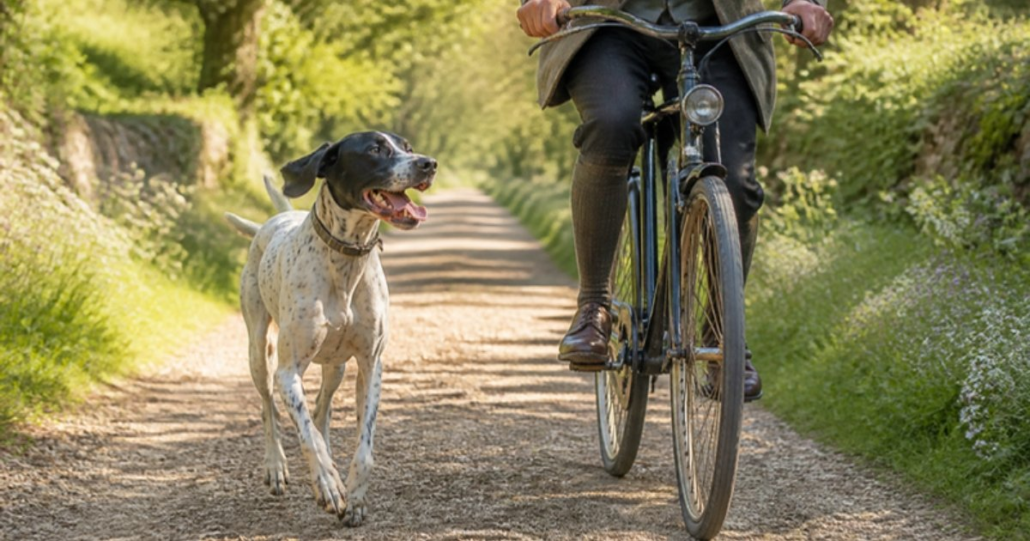
Roading means having your dog trot alongside an ATV, bicycle or horse at a controlled pace. It is one of the best ways to build core strength and cardiovascular endurance without putting excessive impact stress on the joints. Start with short distances over flat terrain, then gradually increase the distance and pace over several weeks. Consistency matters far more than speed. Road in the cool of the morning, use a harness rather than a neck collar, and stop if your dog lags behind or starts to limp.
2. Add Free-Running and Swimming
Roading builds a steady trot, but bird dogs and hounds also need the bursts of speed and quick turns they use in the field. Turn your dog loose two or three times a week in a safe, open area so they can run, turn and use their nose. Swimming is another excellent low-impact workout, especially in summer heat. Retrievers in particular build strength and lung capacity in the water without pounding their joints.
3. Focus on Paw Pad Hardening
Soft yard grass and smooth household floors do little to prepare a dog’s paws for sharp stubble, frozen ground, rocky soil and abrasive briars. Exercise your dog regularly on gravel paths, dirt roads and varied natural terrain during the off-months. Toughening the pads slowly prevents painful cuts, torn dewclaws and bleeding paws when you finally hit the covers. Check feet after every workout and keep nails trimmed short.
4. Adjust Nutrition and Weight Management
An active hunting dog burning thousands of calories a day needs a rich diet, but that requirement drops significantly in the off-season. Monitor your dog’s weight closely and adjust their feed to prevent extra pounds. You should be able to feel the ribs easily and see a waist from above. Excess weight puts unnecessary stress on hips and elbows and raises the risk of injury when training ramps back up. About six to eight weeks before the season, gradually increase food again as workouts get longer.
5. Plan a Pre-Season Ramp-Up
Book a vet check in late summer to update vaccinations and look over joints, teeth and weight. Then build toward opening day with longer runs, more time in real cover and some bird work, so your dog’s mind is as sharp as its body.
By keeping your dog in shape year-round, you’ll avoid costly vet bills, prevent soft-tissue injuries and make sure your dog has the stamina to hunt hard from sunrise to sundown. A few sessions a week of practice and endurance work is all it takes, and our e-collar training guide can help you keep control while roading and free-running.
Looking for your next hunting partner?
Whether you’re conditioning your veteran gun dog or looking for new prospects to add to your yard, connect with a community that shares your passion at Buy and Sell Hunting Dogs.