How to Introduce Your Young Pup to Gunfire (Without Ruining Their Drive)
Every pointing dog and retriever owner eventually reaches a major milestone: getting a young dog used to gunfire. Done right, your puppy will associate the sound of a shot with the ultimate reward: birds. Done wrong, you risk creating a gun-shy dog that hesitates in the field, and gun shyness is far easier to prevent than to fix.
Introducing a puppy to loud noises takes patience, timing and positive reinforcement. Rushing this process is one of the most common mistakes handlers make. Most pups are ready to start once they are bold, curious and chasing birds or dummies with real excitement, usually somewhere between four and six months old.
1. Start with Distance and Positive Association
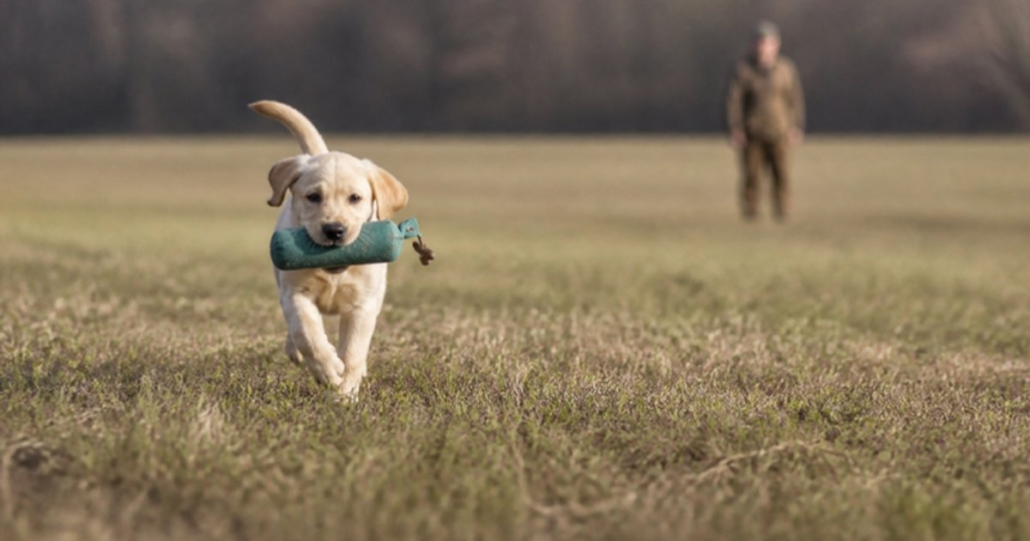
Never fire a gun or blank pistol right next to an untrained puppy. Begin at a distance, hundreds of yards away, while the dog is completely absorbed in something fun like chasing a dummy, playing or eating. Have a helper fire a cap gun or small blank pistol while you keep the puppy busy. The sound should be nothing more than background noise paired with a good experience.
Pick a quiet day and a familiar place for the first sessions, without strange dogs, traffic or other distractions. Keep each session short, five to ten minutes, and end while your puppy is still having a blast. Two or three good sessions a week is plenty at this stage.
2. Progress Gradually over Weeks
Move closer to the sound only over several training sessions, and only if the puppy shows zero signs of anxiety or fear. If the dog flinches, stops chasing or tucks its tail, you have moved too fast; back up and slow down. Graduate from a cap gun to a .22 blank, then a 209 primer blank, and only then a shotgun, still starting at a distance each time you step up.
3. Integrate Live Birds
Once your pup is completely unfazed by distant shots, pair the sound with the flush of a bird. The dog’s natural prey drive and excitement over the scent will override any hesitation toward the noise. A bird launcher makes this easy to control: let the pup chase a few flushed birds with no shot at all, then add a shot from a distance as the dog is chasing hard.
4. Read Your Dog and Avoid Common Mistakes
Every puppy is different, so let your dog’s body language set the pace. Watch out for these common mistakes:
- Shooting over a dog that isn’t focused on something fun. The shot should never be the main event.
- Testing your dog by banging pots or firing a gun to “see what happens.” A bad first experience can stick.
- Taking a young pup to a busy trap range or dove field before it has finished gunfire introduction.
- Skipping steps after a setback. If your pup shows fear, go back to the last distance where it stayed happy and rebuild from there.
The Payoff: A Dog That Loves the Sound of a Shot
Take your time and keep every session positive, and your pup will learn that a gunshot means birds are in the air. A dog that lights up at the sound of a shotgun is a joy to hunt over for years to come. Gunfire work goes best with a well-adjusted pup, so lay the groundwork early with our guide to socializing a hunting puppy, and keep your sessions upbeat with our tips on having fun training your dog.
Showcase your trained dog or find a proven prospect
Looking to showcase your fully trained dog or find a proven prospect for your yard? Explore active listings and connect with fellow sportsmen anytime on Buy and Sell Hunting Dogs.