
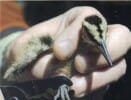
Woodcock Banding in Michigan: How Pointing Dogs Help Science
Based on an article by Al Stewart of the Michigan Department of Natural Resources (DNR), shared with Buy and Sell Hunting Dogs. Figures below come from that article and reflect the program at the time it was written.
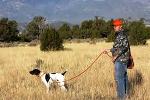
For an upland hunter, woodcock banding in Michigan is a dream: fine pointing dogs handling birds with finesse, new coverts to explore, live birds in your hands, and real data that helps biologists manage the American woodcock. Every spring, a corps of trained volunteers and their bird dogs do exactly that.

A program with a long history
The Michigan DNR has run a spring woodcock banding program since 1960. Volunteer banders use pointing dogs to find woodcock hens and their broods in the spring, then band the chicks. Michigan’s program has been one of the largest anywhere; according to Stewart, more woodcock chicks have been banded in Michigan than anywhere else.
Why use pointing dogs?
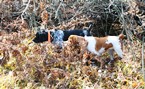
Biologists have known for decades that the best way to find woodcock broods is with trained bird dogs. Research in Maine in the 1940s and in Michigan in the 1970s found brood banding with dogs to be far more productive than mist nets or night-lighting. A pointing dog that can find a hen and hold steady without disturbing the chicks is the key tool.
Why banding matters
Banding data helps biologists understand woodcock movement, migration, survival and harvest. Researchers have pointed out that fewer banding programs since the late 1970s have made management decisions harder. Michigan’s long, consistent banding record is valuable, and could serve as a model for wider banding efforts across the woodcock’s range.
How Michigan’s volunteer banders work
- Apprenticeship: new banders spend at least one season working under an experienced bander, who recommends them for a permit.
- Training: the DNR has held training sessions on banding technique, record-keeping, map reading and woodcock biology, including how to prevent capture stress (myopathy) in chicks.
- Permits and records: banders must hold a permit, keep accurate records and report them each season. Data goes to the U.S. Geological Survey Bird Banding Laboratory.
When the article was written, nearly 100 volunteers were spending about 1,800 hours afield each spring and banding roughly 700–800 chicks a year. Many said they’d give up fall hunting before they’d give up spring banding.
Want to get involved?
Program details change over time, so contact the Michigan DNR for current information on volunteering. You’ll need a steady, well-trained pointing dog. If you’re building one, start with how to teach whoa and how to start a bird dog.
Gear for spring woodcock work and fall hunting
- A beeper or bell so you know when your dog is on point in the alders: beeper collars
- A combination trainer and beeper such as the SportDOG UplandHunter 1875 or Train and Beep System
- A GPS tracking collar for big coverts
Need a steady pointing dog?
Find Brittanys, setters, pointers and other bird dogs from breeders and trainers, or list your own.
Our thanks to Al Stewart of the Michigan DNR and to Woodcock Limited for their work promoting woodcock banding and upland game bird management.





Leave a Reply
Want to join the discussion?Feel free to contribute!