How to Prevent and Treat Common Field Injuries in Hunting Dogs (Cuts, Burrs and Snake Encounters)
Every hunter has had it happen: your dog comes back from a hard cast with a bleeding pad, a torn ear from the briars or a squinting, watery eye. Hunting dogs play hard in rough country, and small injuries come with the territory. Knowing how to prevent the common ones, and how to handle them on the spot, can save your hunt and sometimes your dog.
This guide is general information for hunters, not a substitute for your veterinarian. When in doubt, call your vet or the nearest emergency animal hospital.
1. Pack a Field First-Aid Kit
Keep a small kit in your vest and a bigger one in the truck. Good basics include:
- Saline eye wash and a squeeze bottle of clean water
- Gauze pads, a roll of vet wrap and self-adhesive bandage
- Styptic powder to stop bleeding from nails and small cuts
- Antiseptic wipes and a dog-safe wound spray
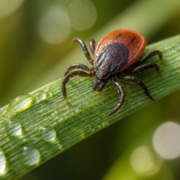
- Tweezers, a tick remover, a hemostat or pliers and blunt-tip scissors
- A dog boot or two, a slip lead, a muzzle and a towel
- Your vet’s number and the nearest emergency clinic’s number
2. Cut Pads and Feet
Sharp stubble, ice, glass and rocks can slice a pad. Rinse the cut with clean water, check for anything stuck in it, then apply firm pressure with gauze until the bleeding slows. Wrap the foot with gauze and vet wrap, snug but not tight, and put a boot over it. A deep or gaping cut usually needs stitches, so end the hunt and see your vet. Prevent pad injuries with off-season conditioning and by checking feet after every outing.
3. Torn Ears and Tail Tips
Ear tips bleed far more than you’d expect, and every head shake splatters more. Press styptic powder or gauze on the tear, then fold the ear flat against the head and wrap it in place with vet wrap around the head, loose enough to fit two fingers under it. Have a vet look at larger tears.
4. Eye Irritations
Seeds, grass awns and dust are common in the eyes of upland dogs. If your dog is squinting, pawing at an eye or has a watery discharge, flush the eye well with saline. If you can see an awn or seed, it may rinse out; don’t dig for it. Squinting that continues after flushing needs a vet the same day, because seeds can work in behind the eyelid and scratches can turn into ulcers.
5. Burrs, Stickers and Quills
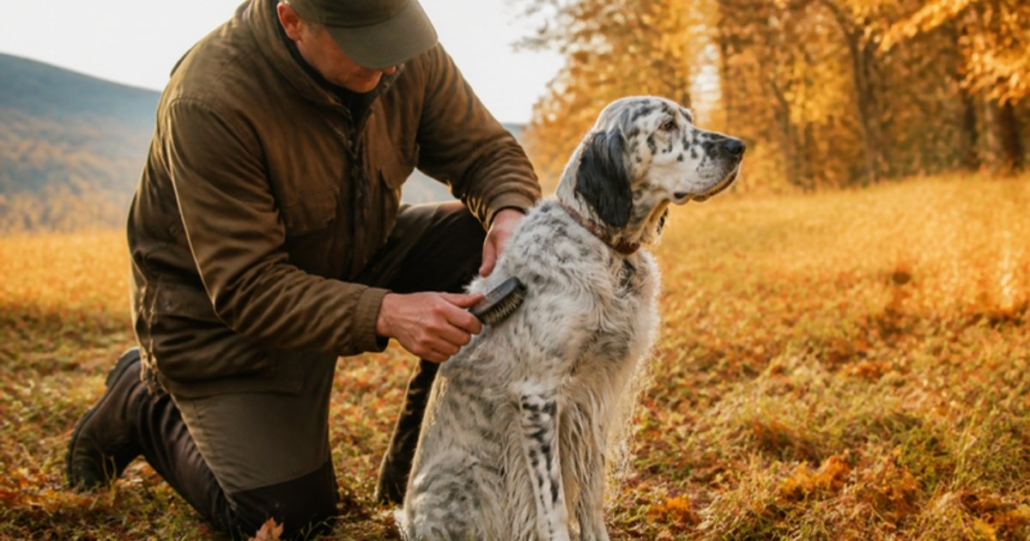
Comb out burrs after each hunt and check between the toes, in the armpits and inside the ears, where foxtails and awns like to hide and migrate. Porcupine quills are a different story: a few can be pulled straight out with pliers, but a face full of quills, or any in the mouth, eyes or throat, is a vet trip, often with sedation. Don’t cut quills; it makes them harder to remove.
6. Snake Encounters
If your dog is bitten by a venomous snake, stay calm and keep your dog as still and quiet as possible. Carry the dog if you can, and get to a veterinarian immediately; call ahead so they’re ready. Don’t cut the bite, suck out venom, use a tourniquet or apply ice. Swelling can be rapid, so remove the collar if the bite is on the face or neck. In rattlesnake country, ask your vet about snake avoidance training and whether the rattlesnake vaccine makes sense for your dog.
7. Prevent Problems Before They Start
Most field injuries can be reduced with a fit dog, a quick look over after every hunt, boots in rough or icy terrain, and good tick prevention. A well-conditioned dog is also less likely to be hurt when it’s tired at the end of a long day.
Find your next hunting partner
Browse puppies, started and finished gun dogs and hounds from breeders across the country, or place your own ad on Buy and Sell Hunting Dogs.





Leave a Reply
Want to join the discussion?Feel free to contribute!