
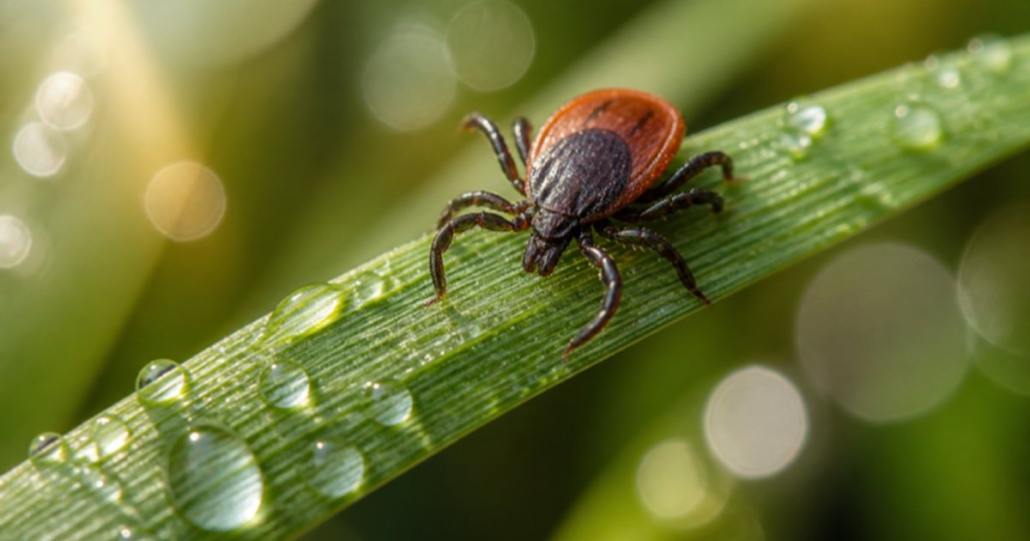
How to Deal with Ticks on Your Dog: Prevention, Removal and Tick-Borne Disease
Few things follow a hunting dog home from the field as reliably as ticks. Bird dogs, retrievers and hounds spend their days pushing through tall grass, brush and leaf litter, exactly where ticks wait for a passing host. A single bite is usually harmless, but ticks can spread serious diseases to dogs and people. Here’s what every hunting dog owner should know, from the problem to the solution.
This guide is general information, not a substitute for your veterinarian. Ask your vet which tick prevention and testing are right for your dog and your area.
1. Know Your Enemy: Ticks Common on Dogs
Ticks are small arachnids, relatives of spiders, that feed on blood. In the U.S., the ones dog owners run into most are:
- Blacklegged (deer) tick: small and dark, common in the Northeast, Upper Midwest and along the East Coast. It can carry Lyme disease, anaplasmosis and babesiosis.
- American dog tick: larger, brown with white or gray markings, widespread east of the Rockies. It can carry Rocky Mountain spotted fever and cause tick paralysis.
- Lone star tick: the adult female has a white spot on her back. Common in the South and spreading north, it can carry ehrlichiosis.
- Brown dog tick: found nationwide and unusual because it can live and breed indoors and in kennels. It can carry ehrlichiosis and babesiosis.
2. Understand the Tick Life Cycle
Ticks go through four stages: egg, larva, nymph and adult. They need a blood meal at each stage after the egg. Nymphs are about the size of a poppy seed and easy to miss, which makes them especially risky. Ticks don’t jump or fly; they “quest” by climbing grass and brush and holding out their front legs to grab onto anything that brushes by.
3. When and Where Your Dog Picks Up Ticks
Many people think of ticks as a summer problem, but adult deer ticks are most active in the fall and stay active any time the temperature is above freezing, including warm winter days. That lines up perfectly with hunting season. Ticks are thickest in tall grass, brushy field edges, woodland trails and leaf litter, which describes most good bird and rabbit cover. Your yard, kennel and dog runs can harbor them too.
4. Check Your Dog After Every Hunt
A daily tick check is the single best habit you can build. Run your fingers slowly over your dog’s whole body, feeling for small bumps, and part the coat to look. A flea comb helps on longer-coated dogs like setters and spaniels. Ticks favor warm, protected spots, so pay close attention to:
- Inside and around the ears and ear flaps
- Around the eyes and on the head and face
- Under the collar and on the neck
- In the armpits and the groin
- Between the toes and pads
- Under the tail and around the rear
Don’t forget to check yourself, too. Ticks that drop off your dog in the truck or house can find you next.
5. How to Remove a Tick Safely
Removing ticks promptly matters, because many diseases take time to pass to your dog; Lyme, for example, usually requires a tick to be attached for a day or more. To remove one:
- Wear gloves if you have them, and use fine-tipped tweezers or a tick removal tool.
- Grasp the tick as close to the skin as possible, by the head, not the body.
- Pull straight out with slow, steady pressure. Don’t twist, jerk or squeeze the body.
- Clean the bite and your hands with soap and water or an antiseptic.
- Drop the tick in rubbing alcohol or seal it in a bag or tape. Write down the date; if your dog gets sick later, your vet may want to know.
Skip the old tricks like petroleum jelly, nail polish or a hot match. They don’t work well and can make the tick release more saliva into the bite. If a small part of the mouth stays in the skin, leave it alone; the body will usually push it out. A small red bump at the bite for a few days is normal.
6. Know the Warning Signs of Tick-Borne Disease
Symptoms can show up days to weeks after a bite, and some dogs never show signs at all. Call your vet if your dog has:
- Lameness, often shifting from one leg to another, or stiff, swollen joints
- Fever, tiredness or loss of appetite
- Swollen lymph nodes
- Nosebleeds, unusual bruising or pale gums
- Weakness that starts in the hind legs and moves forward (a sign of tick paralysis; it usually improves once the tick is found and removed)
- A bite that becomes swollen, hot or oozes
Most tick-borne diseases respond well to treatment when caught early. Many vets recommend a yearly blood test that screens for heartworm and several common tick diseases at the same time.
7. Prevention Is the Real Solution
The best way to deal with ticks is to stop them before they bite or transmit disease. Talk to your vet about these options:
- Tick preventives: chewable tablets, topical spot-on treatments and long-lasting tick collars all work well. Your vet can recommend one based on your dog, your region and how much time your dog spends in the field. Many areas now call for year-round use. Use dog products only on dogs; some are toxic to cats.
- Lyme vaccine: worth discussing if you live or hunt where Lyme disease is common.
- Yard and kennel care: keep grass short, clear leaf litter and brush, and put a gravel or wood-chip strip between lawn and woods. Keep kennels and runs clean and dry. If you find brown dog ticks indoors or in the kennel, treat the area and consider a professional.
- Daily checks: no product is 100% effective, so keep checking your dog after every outing.
The Bottom Line
Ticks are part of life for anyone who hunts with a dog, but they don’t have to be a danger. With a good preventive, a quick check after every hunt and prompt, careful removal, you can keep your dog healthy all season. For other mishaps in the field, see our guides to field first aid for hunting dogs and keeping your dog safe on hot hunts.
Find your next hunting partner
Browse puppies, started and finished gun dogs and hounds from breeders across the country, or place your own ad on Buy and Sell Hunting Dogs.







Leave a Reply
Want to join the discussion?Feel free to contribute!